
 Setting up apparatus
 Video capture & tracking
 Observing behaviour
 Connecting equipment
 Automating complex tests
 Running tests
 Results
 Visualising data
 Analysis
 Transferring data
 Open field
 Water-maze
 Y-maze
 Fear conditioning
 Novel object
 Barnes maze
 Radial arm maze
 Light/dark box
 Operant conditioning
 Zebrafish
 Computers
 Multifunction remote
 Accessories
 Digital interface
 Optogenetic interface
 Synchronisation interface
 Relay interface
 Audio interface
 Touch interface
 Analogue interface
 USB TTL cable
 Animal shocker
 Components
 Place preference
 ANY-box
 T-maze
 Zero maze
 Hole board
 Sociability cage
 OPAD
OPAD RAPC
RAPC Waterwheel forced swim test
 Thermal gradient ring
 Operon
 Activity Wheel
 Full ANY-maze licence
 Other licence types
 Developing countries licence
 Contact support
 Support Policy
 FAQs
FAQs Guides
 Downloads
 Send us files
 Activate a licence ID
 Documentation
 Contact us
 Blog
Blog About
About Testimonials
 Privacy Policy
The open field test is about emotionality and locomotion, so automating it requires adaptable zone design and a comprehensive selection of locomotor related results.
Automating the open field test with ANY-maze is straightforward and provides results that would be difficult, if not impossible, to determine with simple observation and hand scoring - see the Benefits tab, below, to learn more.
On the other tabs you'll find videos of open field tests, recommended equipment and a list of results that are especially useful in this test.
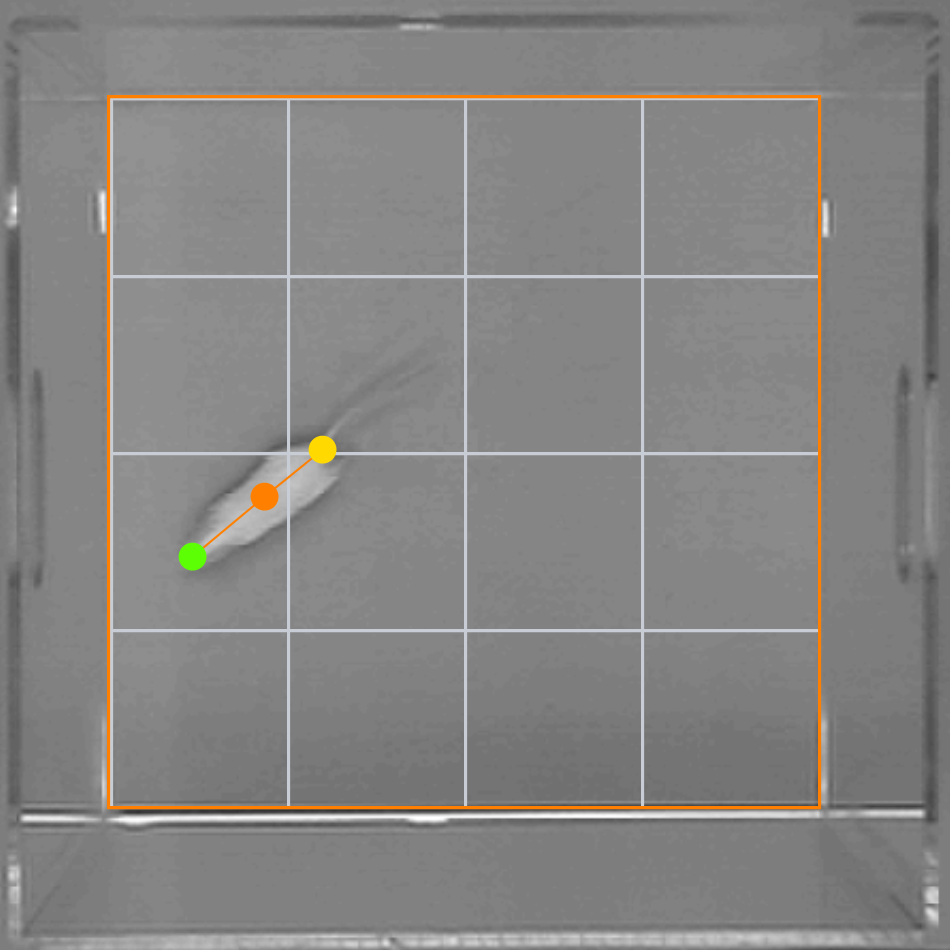
User defined zones
In ANY-maze you define zones that are specific to how you want to perform tests in your apparatus – nothing’s prescribed.
In this example video, zones have been set up to to score how much time the animal spends in the corners, how much time close to the walls and how much time in the centre of the enclosure.
In fact, for every zone ANY-maze reports more than 60 different measures, so you’ll learn much more than just how long the animal spent in each location.
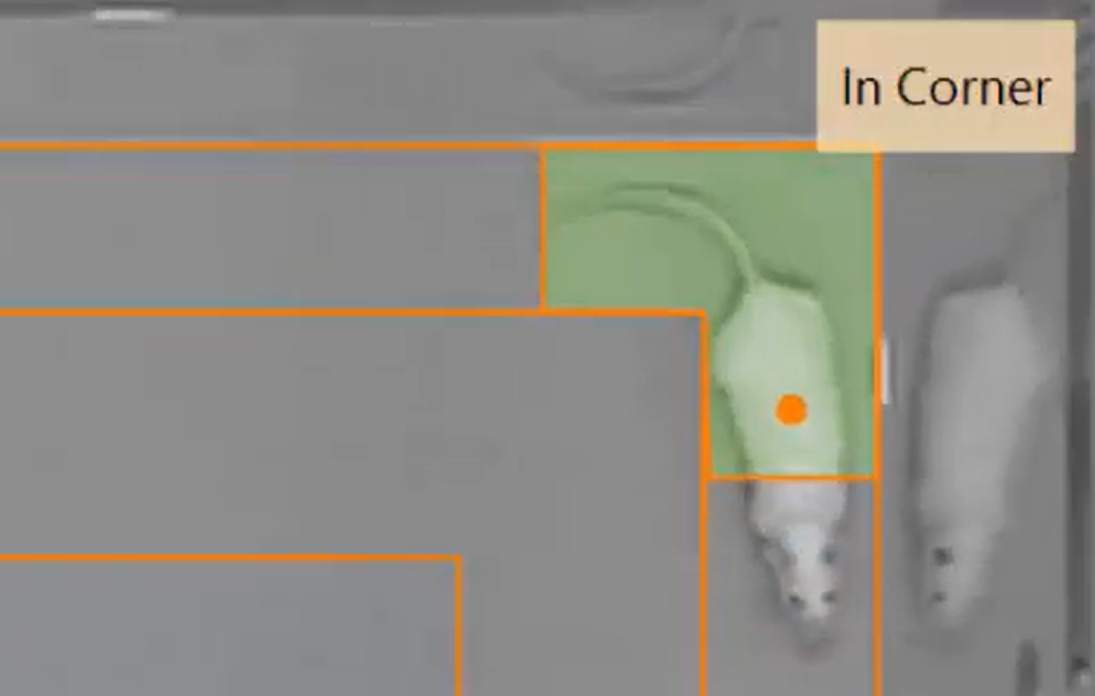

Going beyond zones
As well as scoring the animal’s behaviour in zones, ANY-maze can also detect things such as:
- Periods when the animal is immobile – i.e. not moving from place to place
- Sequences of movements between the different parts of the open field – for example, transitioning across the centre, or walking right round the border.
- What direction the animal is facing – for example, facing towards the centre or the towards the walls
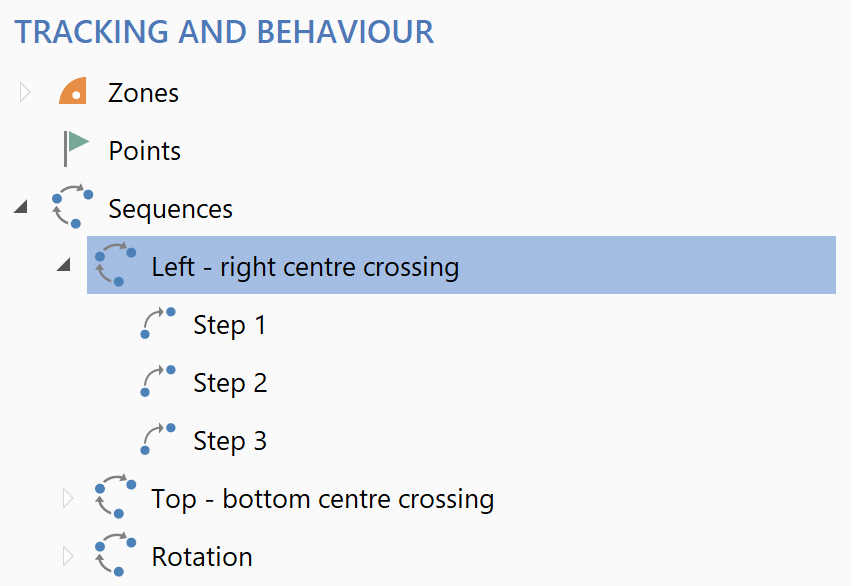
Scoring behaviours software can't detect
You may be interested in how much time the animals spend grooming in the open field; however this is a behaviour which software is unable to reliably detect.
To address this you can use keys to score these behaviours; for example, press the key while the animal’s grooming and release it when it stops. ANY-maze will report information such as time spent grooming and the number of grooming bouts, and it will report this separately for each zone.
Detecting rears
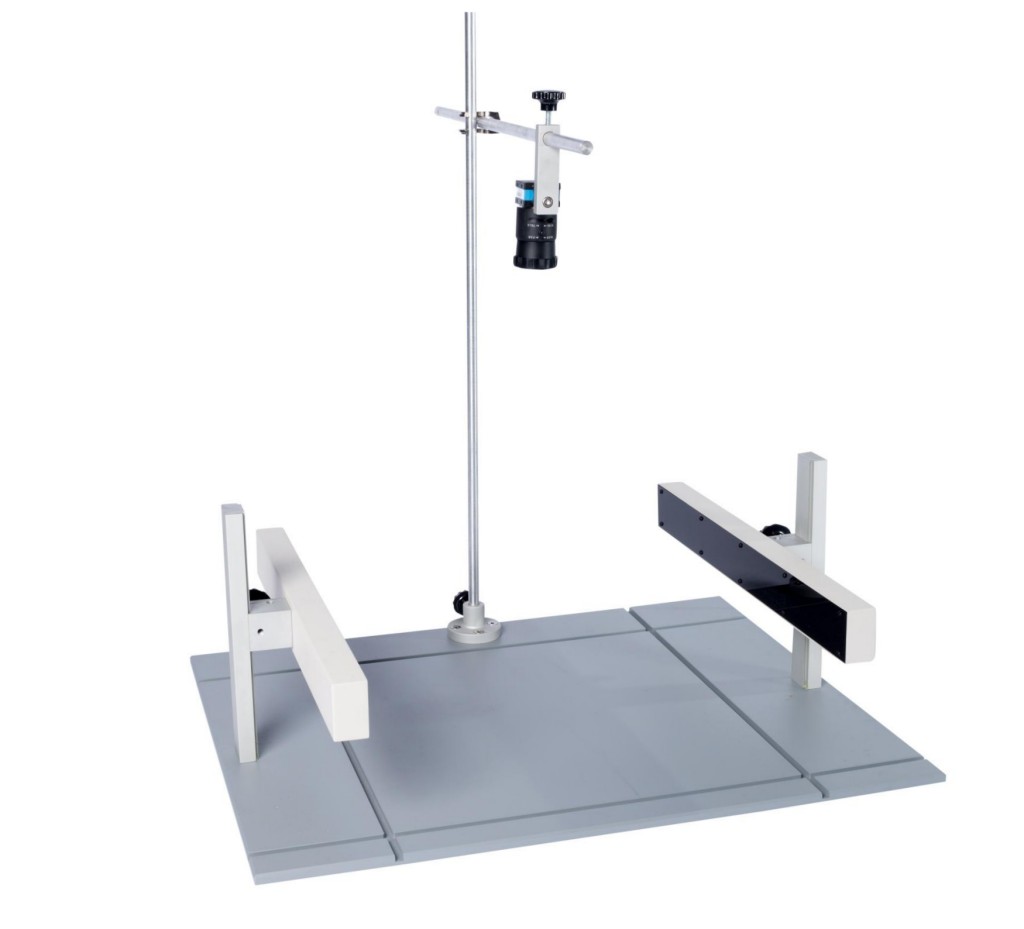
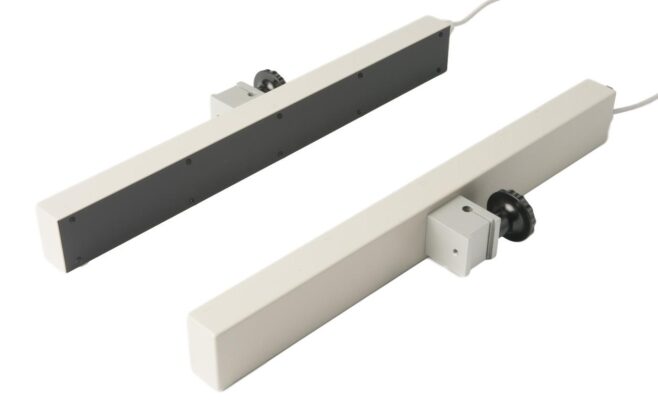
Rearing is another behaviour often scored in the open field but which (we believe) software is unable to reliably detect from top-down video. However, rearing can be detected using an array of photo-beams positioned such that when the animal rears it breaks beams in the array.
We manufacture an array of this type designed specifically for use with ANY-maze – it’s pictured on the right.
When this array is utilised in the open field you’ll get reports for (amongst other things) the number of rears in the different zones you define.
Viewing the animal's track
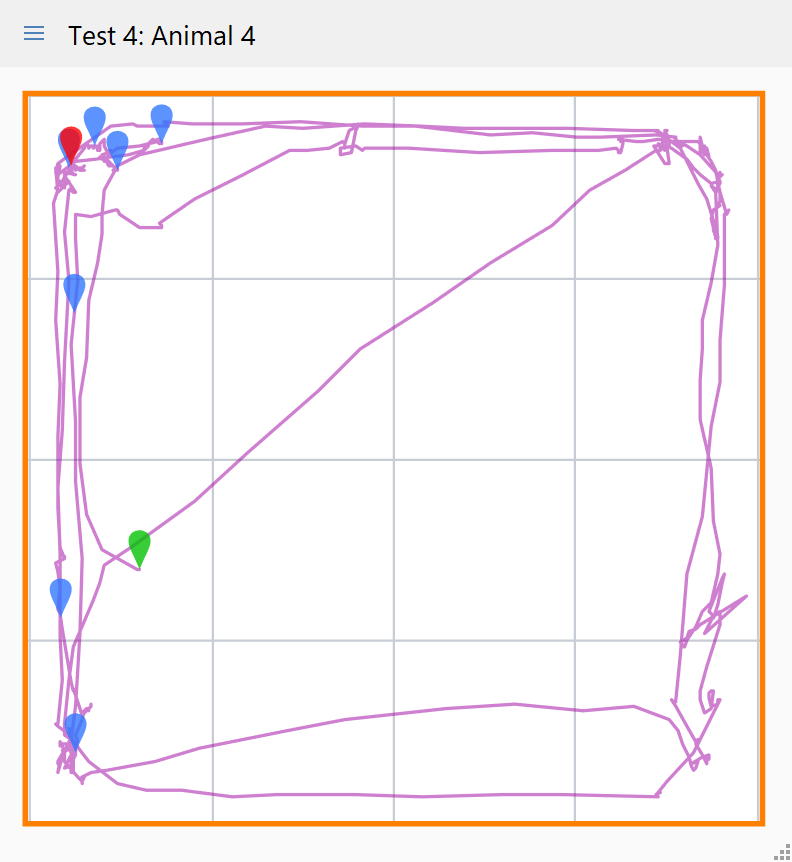
ANY-maze can plot the animal’s track or as a heat map.
Track plots, like the one on the right, show where the animal went during the test. In this case blue markers have also been included to show where the animal groomed. Perhaps unsurprisingly, it’s evident that the animal spent most of the test near the walls and mainly groomed when in the corners.
Tracking simultaneously in multiple apparatus
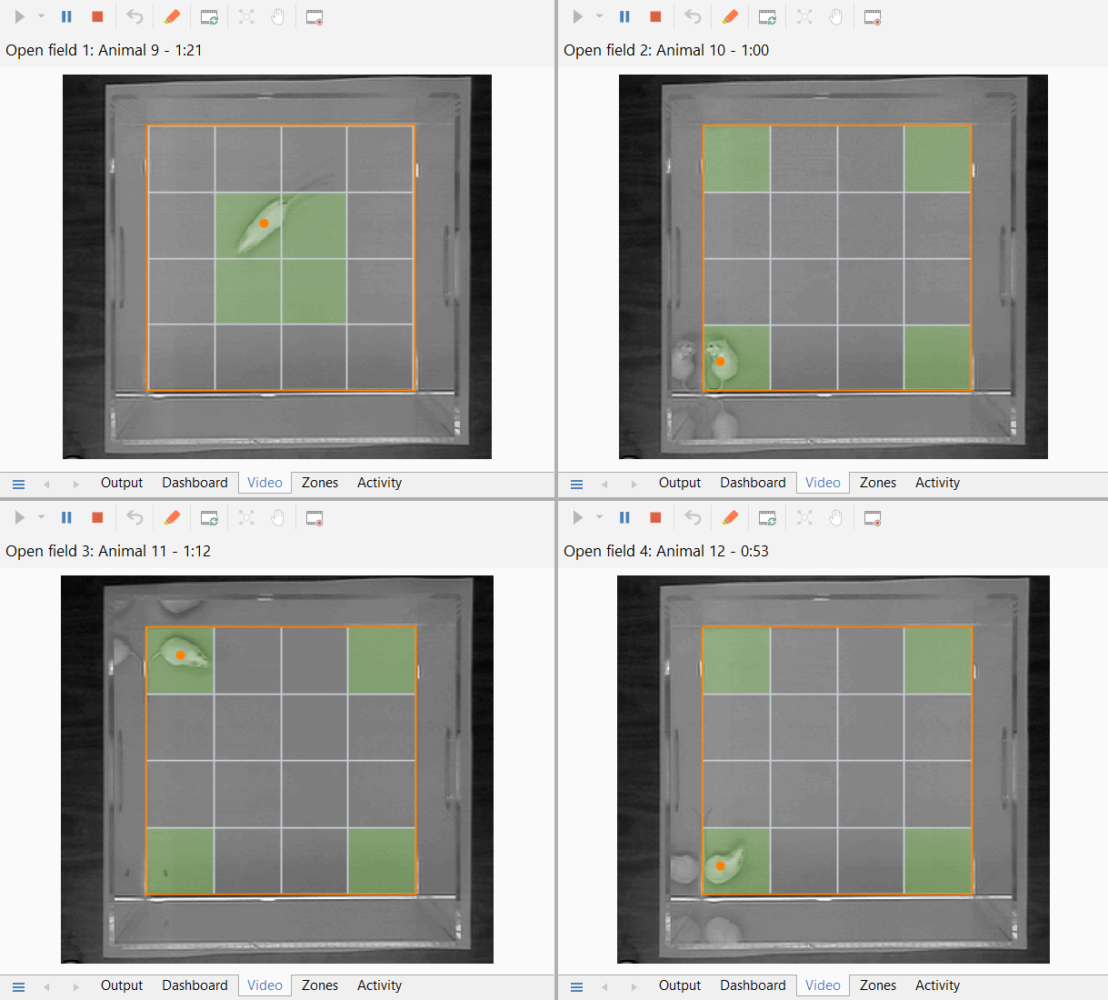
Tracking simultaneously in, for example, four open fields is a great way to speed up the throughput in an experiment.
- Setting up multiple open fields is hardly any more work than setting up one, as most settings are automatically applied across all the apparatus.
- You can have a single camera for each open field, or you can have multiple open fields viewed by the same camera, or any combination – for example, two cameras each viewing two open fields.
- Tests in all the apparatus can be run independently, or you can control them together if you prefer.
Almost everything can be changed
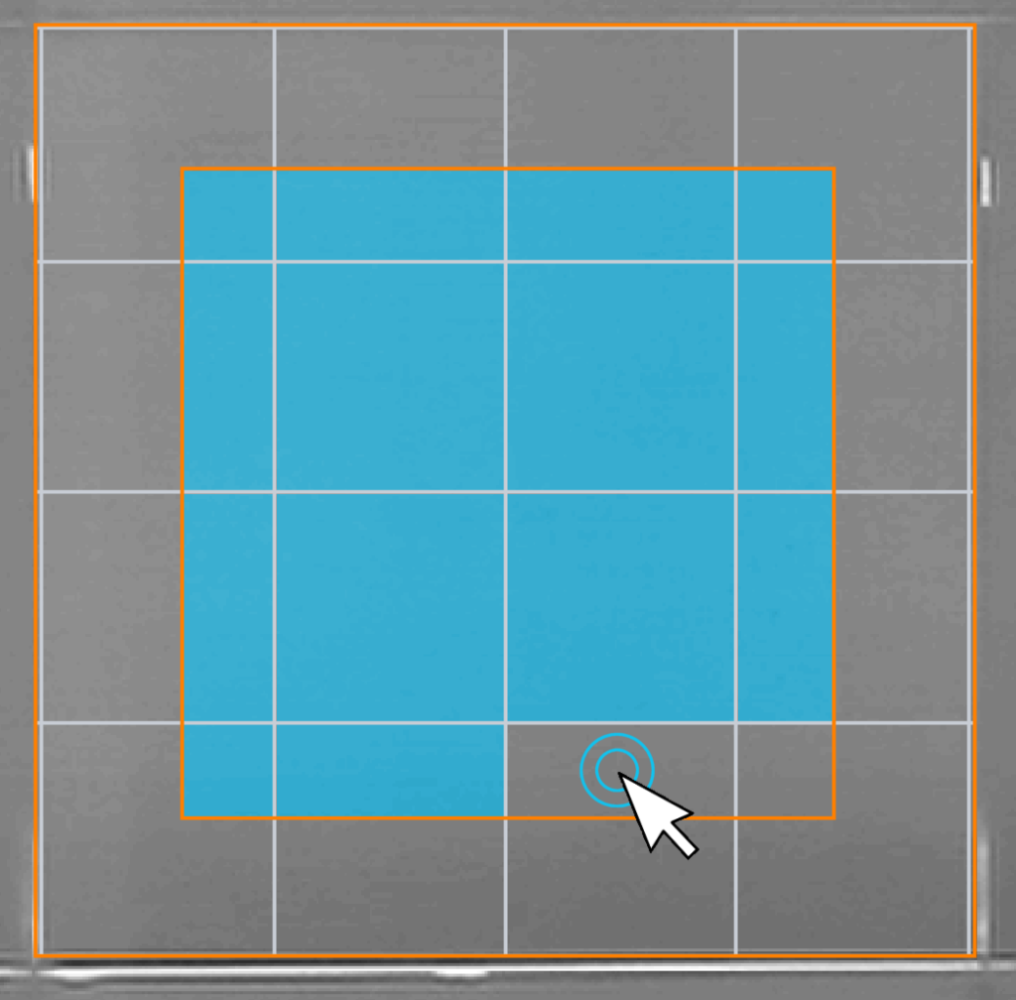
In ANY-maze you can alter the definition of a zone, a sequence or indeed almost anything else, at any time, whether before, during or after you’ve run your tests.
For example, the size of the centre zone in the open field is somewhat debatable. Some researchers minimise it, while others define it as half of the overall test arena. If you ran an experiment with a small centre zone, but then wanted to see what would change with a larger one, you could simply alter the size, and ANY-maze would immediately re-calculate the results to take this change into account.
Results
ANY-maze can provide literally hundreds of results for any test, but some of those that are particularly useful in the open field include:
- Time in the centre
- Time in the wall (thigmotaxis) zone
- Time in the corners
- Number of entries into the centre
- Distance travelled in the centre
- Distance travelled in the wall zone
- Total distance travelled
- Percentage of time in the centre
- Number of centre crossings
Traditionally the open field was often manually scored by drawing a grid onto the floor and counting the number of times the animal crossed a line. In ANY-maze you can easily add a grid to your open field and the system will automatically report line crossings, making it easy to compare data from old experiments.

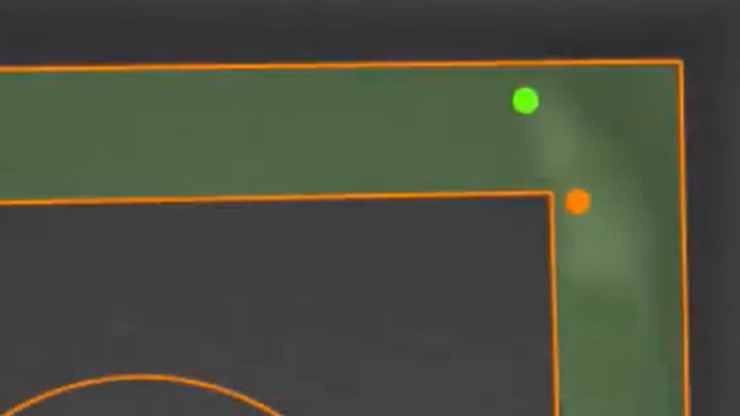
Tracking in an open field in low light
In this example a white mouse was tested in an open field in very low light.
Despite the poor illumination, ANY-maze correctly tracks the animal’s head, which in this example is used to determine when the animal enters a zone.
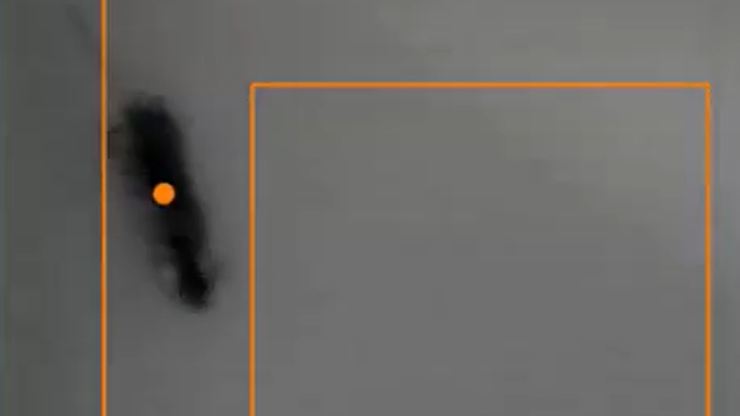
Tracking a dark mouse in an open field with interference
In this example a dark coloured mouse was tested in an open field. Note the flashing illumination on the left side of the apparatus – despite this, ANY-maze tracks the animal correctly.
Open fields
We manufacture our own open fields, which are available for rat or mouse (the mouse version is pictured on the right). Transparent or opaque walls fit solidly into a slotted, grey, non reflective base-plate, but lift off for easy cleaning. A circular version is also available.
View more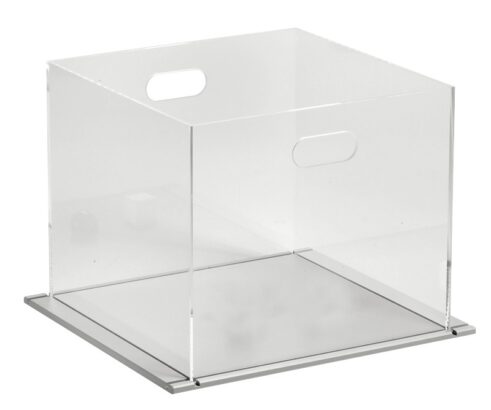
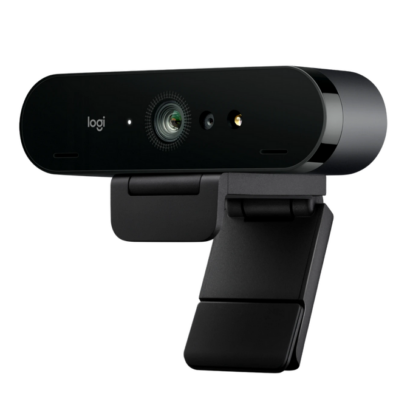
Cameras
USB Camera
The ANY-maze USB camera is an excellent choice for the open field. We recommend fitting this camera with a varifocal (zoom) lens, so you can simply mount the camera on the ceiling and then zoom in and out until the open field nicely fits the camera's view.
View more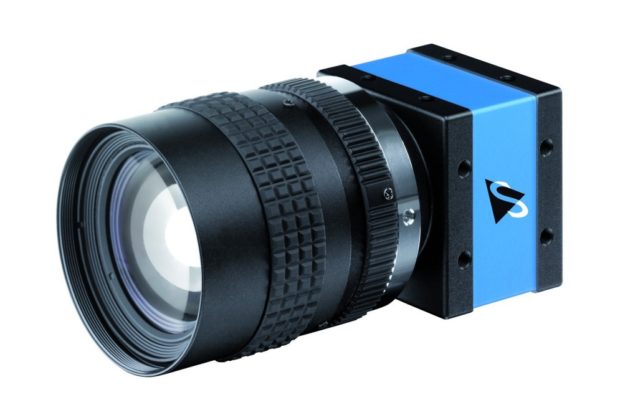
Web cam
A webcam provides an inexpensive alternative to the ANY-maze camera. If you intend to test in normal lighting conditions (>= 100 lux) and you can mount the camera far enough from the open field for it to see it all, then a webcam should work well. Another potential issue is the cable length; most webcams have quite short cables.
Lighting
Infrared illuminator
If you intend to track in low light (< 10 lux) or in darkness, then you may wish to use an infrared illuminator and an infrared sensitive camera (most cameras are IR sensitive).
View more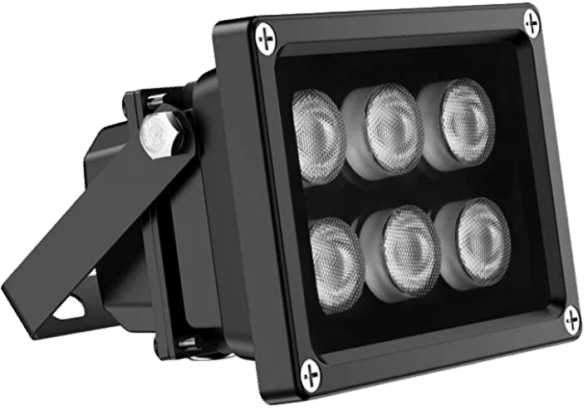
Accessories
Photobeam arrays
The ANY-maze photobeam array provides a ‘curtain’ of photobeams which can be used to detect when an animal rears. The array plugs directly into the ANY‑maze Digital interface.
The array is available both 'standalone' and as part of the ANY-box system, which includes mounting columns, and a camera.
ANY‑maze Radio remote control
The ANY‑maze Radio remote control provides a convenient way to start the test as soon as the animal is in the maze. This remote works through walls and has 2 buttons, allowing you to control two apparatus independently.
View more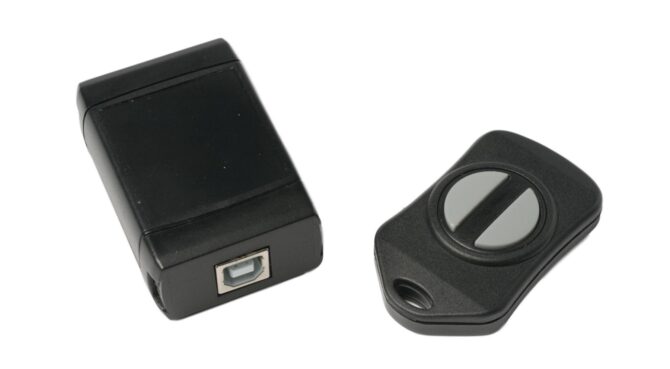
Yu, X., Cai, J., Wu, Z. et al. (2026) Network pharmacology and experimental verification to explore the anti-depression mechanism of Ganmaidazao-Shanzha Decoction. Brain Behavior and Immunity Integrative. 2026;13:100155. https://doi.org/10.1016/j.bbii.2026.100155
Zhu, Y., Sun, J., Wang, S. et al. (2026) Olfactory linalool exposure induces analgesic and anxiolytic effects accompanied by molecular and synaptic remodeling in the piriform cortex. Model Organisms Research. 2026;1:100021. https://doi.org/10.1016/j.mores.2026.100021
Wu, X., Ge, H., Fang, J. et al. (2026) Sex-specific effects of maternal gestational diabetes mellitus on offspring neurodevelopment: persistent hippocampal neurogenesis deficits in female but not male offspring. Experimental & molecular medicine. 2026;58:1854–1869. https://doi.org/10.1038/s12276-026-01741-z
Jia, Q., Yang, L., Wang, J. et al. (2026) Dexmedetomidine improves sleep quality and alleviates emotional dysfunction by attenuating α-synuclein deposition in mice with sepsis-associated encephalopathy. Journal of advanced research. 2026;82:331–345. https://doi.org/10.1016/j.jare.2025.07.012
Garcia, A., Trivedi, D., Anthony, D.C. et al. (2026) Glycodeoxycholic and deoxycholic bile acids impair recognition and spatial memory in adult mice, and reduce central CREB-BDNF signaling and cytokine expression with neuroanatomical specificity. Gut microbes. 2026;18:2701471. https://doi.org/10.1080/19490976.2026.2701471
Yang, L., Zhang, M., Li, M. et al. (2026) Oxysophocarpine alleviates seizures via enhancing extra-synaptic tonic inhibition to the dentate gyrus. Genes & Diseases. 2026;102247. https://doi.org/10.1016/j.gendis.2026.102247
Pan, Y., Li, P., Chen, Y. et al. (2026) Targeting CXCR2 in Nociceptive Sensory Neurons Offers Novel Therapeutic Potentials for Postoperative Pain. Advanced science (Weinheim. 2026;Baden-Wurttemberg, Germany), e77085. https://doi.org/10.1002/advs.77085
Li, W., Yin, Y., Li, J. et al. (2026) Adolescent Dietary Supplementation of Omega-3 Polyunsaturated Fatty Acids Alleviates PTSD-Like Fear Memory and Affective Dysregulation in Rats. Smart medicine. 2026;5:e70049. https://doi.org/10.1002/smmd.70049
Ding, H., Zou, L., Ma, L. et al. (2026) A descending posterior insular pathway drives sensory hypersensitivity in neuropathic pain. Brain : a journal of neurology. 2026;awag221. https://doi.org/10.1093/brain/awag221
Li, M., Wang, B., Gao, C. et al. (2026) Kaempferol alleviates schizophrenia-like social and cognitive deficits through cholinergic modulation. Phytomedicine : international journal of phytotherapy and phytopharmacology. 2026;156:158215. https://doi.org/10.1016/j.phymed.2026.158215
Yao, Y.Q., Xu, Z.Y., Guo, B.W. et al. (2026) GATA3 drives chronic stress-induced depressive-like behaviors by reducing hippocampal CA3 pyramidal neuronal activity in male mice. Acta pharmacologica Sinica. 2026. https://doi.org/10.1038/s41401-026-01874-x
Lv, Z., Xie, Q., Li, K. et al. (2026) Standardized chronic restraint stress protocols reveal dynamic evolution of behavioral adaptations in male mice: implications for translational neuroscience. Molecular psychiatry. 2026;31:4576–4588. https://doi.org/10.1038/s41380-026-03569-5
Wang, L., Xu, K., Liao, Y. et al. (2026) Astrocytic connexin 43 hemichannel dysregulation drives prefrontal circuit dysfunction and schizophrenia-like behaviors. Molecular psychiatry. 2026;31:5334–5347. https://doi.org/10.1038/s41380-026-03621-4
Liu, Y., Qian, J., Wu, W. et al. (2026) Dual regulatory mechanisms of the ZI-LHb circuit in SPS&S model mice: dissociable control of aversion and anxiety through distinct downstream targets. Molecular psychiatry. 2026. https://doi.org/10.1038/s41380-026-03796-w
Olivares-Barraza, R., Marcos, J.L., Escobar-Luna, J. et al. (2026) Sex-specific alterations in CRF and dopaminergic markers in the lateral septum and mesolimbic system following chronic high-fat diet exposure in rats. Frontiers in pharmacology. 2026;17:1781720. https://doi.org/10.3389/fphar.2026.1781720
Contreras-Marciales, A., Mezquite-Garcia, D., Verdina, L.A. et al. (2026) FKBP51 inhibition by SAFit2 modulates tau pathology and cognitive deficits in PS19 mice. Alzheimer’s research & therapy. 2026;18:183. https://doi.org/10.1186/s13195-026-02107-3
Chen, A., Hu, S., Zeng, F. et al. (2026) Long-term low-salt and high-salt diets differentially disrupt the gut-metabolite-brain axis and induce cognitive impairment. Food research international (Ottawa, Ont.). 2026;241:119719. https://doi.org/10.1016/j.foodres.2026.119719
Gladen-Kolarsky, N., Kuhnau, L., Hack, W. et al. (2026) NRF2 Deletion Results in Mobility Impairment in A53TSyn Model of Synucleinopathy. Antioxidants (Basel, Switzerland). 2026;15:926. https://doi.org/10.3390/antiox15080926
Tu, H., Hou, Y., Cui, W. et al. (2026) Modulating hepatic hypoxanthine metabolism relieve metabolic stress-related neurovascular resilience disturbance via the liver-brain axis. Free radical biology & medicine. 2026;255:160–178. https://doi.org/10.1016/j.freeradbiomed.2026.07.024
Su, B., Meng, F., Lu, Y. et al. (2026) Lactobacillus reuteri DSM 17938 and Its Supernatant Ameliorate Parkinson’s Disease in Association with Modulation of Gut Microbiota and Its Tryptophan Metabolism. Antioxidants (Basel, Switzerland). 2026;15:882. https://doi.org/10.3390/antiox15070882
Piehl, N.C., Halle, A.W., Rodriguez, G. et al. (2026) Loss of Brain-Derived Estrogen Is Associated With Sex- and Age-Dependent Alterations in Memory, Affective Behavior, and Hippocampal Extracellular Matrix Gene Expression. Aging cell. 2026;25:e70551. https://doi.org/10.1111/acel.70551
Sahoo, I., Masadi, S., Maheswari, A. et al. (2026) Sex-dependent developmental changes in behavior, brain structure, functional connectivity, and sensory perception following exposure to psilocybin during adolescence. Neuropsychopharmacology : official publication of the American College of Neuropsychopharmacology. 2026;51:1310–1324. https://doi.org/10.1038/s41386-026-02356-8
Cho, E., Bae, J., Song, J.G. et al. (2026) Anoctamin 2 deletion alters dopamine-related signaling and impairs inhibitory behavioral control in mice. Neuropsychopharmacology : official publication of the American College of Neuropsychopharmacology. 2026. https://doi.org/10.1038/s41386-026-02525-9
Olusakin, J., Dewan, M., Kashyap, A. et al. (2026) Concurrent maternal stress and THC exposure alters maternal regulation and downstream adolescent corticolimbic programs. Translational psychiatry. 2026;16:301. https://doi.org/10.1038/s41398-026-04049-8
Li, Y., Wang, W., Tan, Y. et al. (2026) Preventing traumatic stress-induced behavioral abnormalities in rats with blue light phototherapy. Translational psychiatry. 2026;16:211. https://doi.org/10.1038/s41398-026-03981-z
Ma, X., Jia, W., Zhang, X. et al. (2026) Inflammatory reprogramming of immature oligodendrocytes perturbs myelination and neurodevelopment in a dual-hit model of preterm brain injury. Brain, behavior, & immunity – health. 2026;54:101253. https://doi.org/10.1016/j.bbih.2026.101253
Cao, Z., Gao, H., Tang, B. et al. (2026) The ventral hippocampus to paraventricular thalamus circuit regulates context-dependent hyperlocomotion through PAC1 receptor signaling in the chronic stress-induced PTSD mouse model. Translational psychiatry. 2026;16:176. https://doi.org/10.1038/s41398-026-03963-1
Liu, J., Lu, Y., Bhuiyan, P. et al. (2026) Intranasal dantrolene nanoparticles inhibit lipopolysaccharide-induced depression and anxiety behavior in mice. Translational psychiatry. 2026;16:104. https://doi.org/10.1038/s41398-026-03816-x
Noriyama, Y., Ishida, R., Yamamuro, K. et al. (2026) Sex differences in autism spectrum disorder: behavioral and sensory phenotypes in humans and mouse models. Translational psychiatry. 2026;16:314. https://doi.org/10.1038/s41398-026-04053-y
Ma, L., Li, S., Dong, W. et al. (2026) Chronic alcohol exposure contributes to postoperative cognitive dysfunction via NR2B upregulation in the hippocampus of adult mice. Translational psychiatry. 2026;16:341. https://doi.org/10.1038/s41398-026-04087-2
Ameer, M.K., Ullah, N., Qazi, N.G. et al. (2026) Carvacrol mitigates chronic social isolation stress-induced depressive-like phenotypes via Nrf2-dependent antioxidant defense and downregulation of NF-κB proinflammatory pathway. Biomedicine & pharmacotherapy = Biomedecine & pharmacotherapie. 2026;198:119258. https://doi.org/10.1016/j.biopha.2026.119258
Wyatt-Johnson, S.K., Joshi, S., Blair, M. et al. (2026) The MR1/MAIT cell axis has limited effects on the start of tau pathology in a mouse model of tauopathy. Brain, behavior, and immunity. 2026;139:106969. https://doi.org/10.1016/j.bbi.2026.106969
Yao, XD., Wang, T. & Wei, MP. (2026) Nectin3 on prefrontal excitatory and inhibitory neurons distinctly mediates adolescent stress-induced cognitive and social deficits. Transl Psychiatry. 2026. https://doi.org/10.1038/s41398-026-04379-7
Liu, C., Zhang, T., E, E.D. et al. (2026) Maraviroc attenuates inflammation-exacerbated cognitive and amyloid pathology in an early-stage Alzheimer’s disease mouse model. Translational psychiatry. 2026. https://doi.org/10.1038/s41398-026-04215-y
Dong, Q., Xiao, W., Sun, Z. et al. (2026) Prdm15 Deficiency Results in Impaired Hippocampal Neurogenesis and Autism-Like Behaviors. Cellular and molecular neurobiology. 2026;46:138. https://doi.org/10.1007/s10571-026-01770-2
Huang C, Wang M, Gu X et al. (2026) Beta-hydroxybutyric acid alleviates anxiety- and depression-like behaviors in mice by impeding complement 3-mediated microglial engulfment. Food Science and Human Wellness. 2026. https://doi.org/10.26599/FSHW.2025.9250881
Chen, C.L., Li, P.Y., Tsai, H.Y. et al. (2026) KATP channel functional remodeling is associated with neuroinflammatory and dopaminergic alterations under metabolic stress in female mice. Brain, behavior, and immunity. 2026;138:106956. https://doi.org/10.1016/j.bbi.2026.106956
Ye, H., Li, H., Sun, Y. et al. (2026) Standardized Protocol for Novel Social Defeat-Induced Specific Social Fear in Mice. Neuroscience bulletin. 2026;42:460–464. https://doi.org/10.1007/s12264-025-01550-w
Zhang, Q., Qiao, Y., Li, H. et al. (2026) Male-Biased Social Deficits in Chd8+/R2219* Mouse Model of Autism Linked to Hippocampal Abnormalities. Neuroscience bulletin. 2026. https://doi.org/10.1007/s12264-026-01653-y
Zou, J.X., Cao, E., Wang, Z.H. et al. (2026) Acute Stress Drives Adaptive Anxiety via Excitatory-Inhibitory Imbalance in the Prefrontal-Amygdala Circuit in Male Mice. Neuroscience bulletin. 2026. https://doi.org/10.1007/s12264-026-01682-7
